
Leading when the world feels a little lost
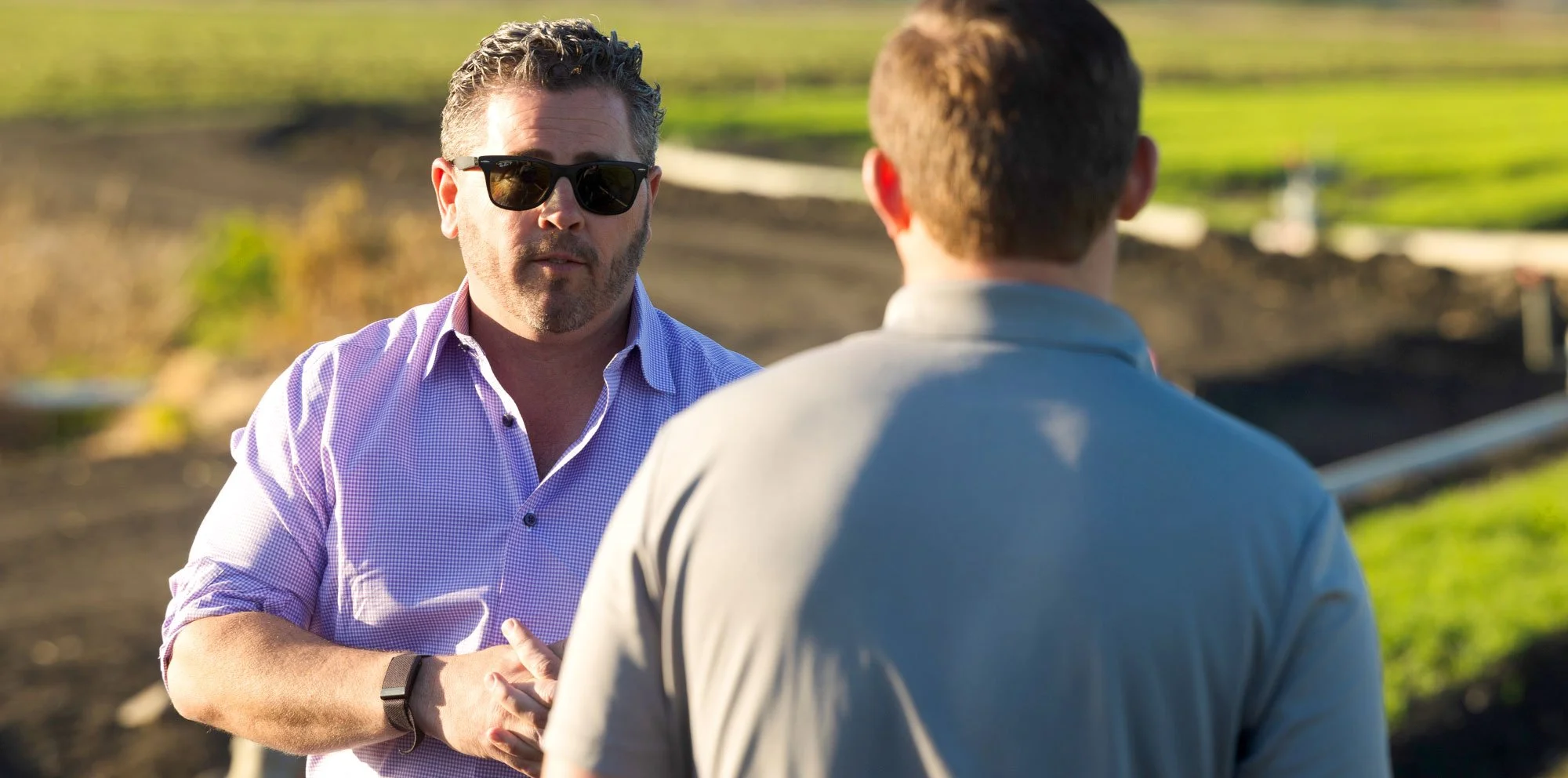
I never set out to be a leader
Being a leader of people was never a goal I set out to accomplish. I don’t particularly like it, and I’m not sure I’m especially great at it. What I do understand is the value of leadership, and that, like anything else, it is something you learn, refine, and grow into over time. I would like to think I have gotten better at it as the years have gone on.
When people ask me what my leadership style is, I usually say, “I’m like a chameleon, changing with the backdrop.” Not because I am wishy washy or unclear on direction, but because different situations and different people require different approaches.
The chameleon approach
My goal is pretty simple. I try to:
Set clear expectations upfront
Give feedback when it is needed
Avoid micromanaging
Encourage people to make decisions they would be proud to explain to anyone
Most of the time, that works.
Other times, I am cleaning up messes.
That is part of it. Leadership is not clean. It is adaptive. And that is why I believe being a chameleon matters, because leading one group of people the same way you lead another rarely works.
Leading with empathy, not assumptions
Many of our conversations with the migrant families we work with revolve around the same hard truth. The American Dream feels out of reach. America is no longer the land of milk and honey it once promised to be, and the only green they are worried about is whether they will make it to the next payday.
Those conversations require extra empathy, extra listening, and real consideration for what people are trying to accomplish, not just at work, but in their personal lives too.
On the other end of the spectrum, employees balancing two careers, kids, school pickups, drop offs, and sick days need something different. Flexibility and grace matter. Open dialogue matters. As an organization, we try to create space for people to manage their family commitments while still meeting the demands of their role.
It is not easy, but more often than not, we figure it out together.
Knowing when to step back
In areas outside my core strengths, designers, formulators, specialists, I have learned that the best way to lead is often to get out of the way.
It is rare that I tell a graphic designer how to design or a formulator how to formulate. I set the wider expectations, then let them take the lead and develop within that framework. People tend to do their best work when they are trusted to own it.
What I have found is that while different teams want different things, the underlying needs are usually the same, just expressed at different levels.
Chin up, head down
At the end of the day, we all want to progress. We all want to feel valued, especially when the headwinds are strong.
People are looking for answers.
Where is the economy headed?
What is AI going to replace next?
What does the future look like?
And they often look to leadership for certainty.
Sometimes, the most honest answer I have is this: Do the best you can with what is in front of you. That, and trying to keep my own head down and chin up at the same time.
Leadership does not mean having all the answers. Sometimes it just means showing up steady when the world feels anything but.